Socializing Maine Coon Cats for Better Behavior, Confidence, and Lifelong Friendliness
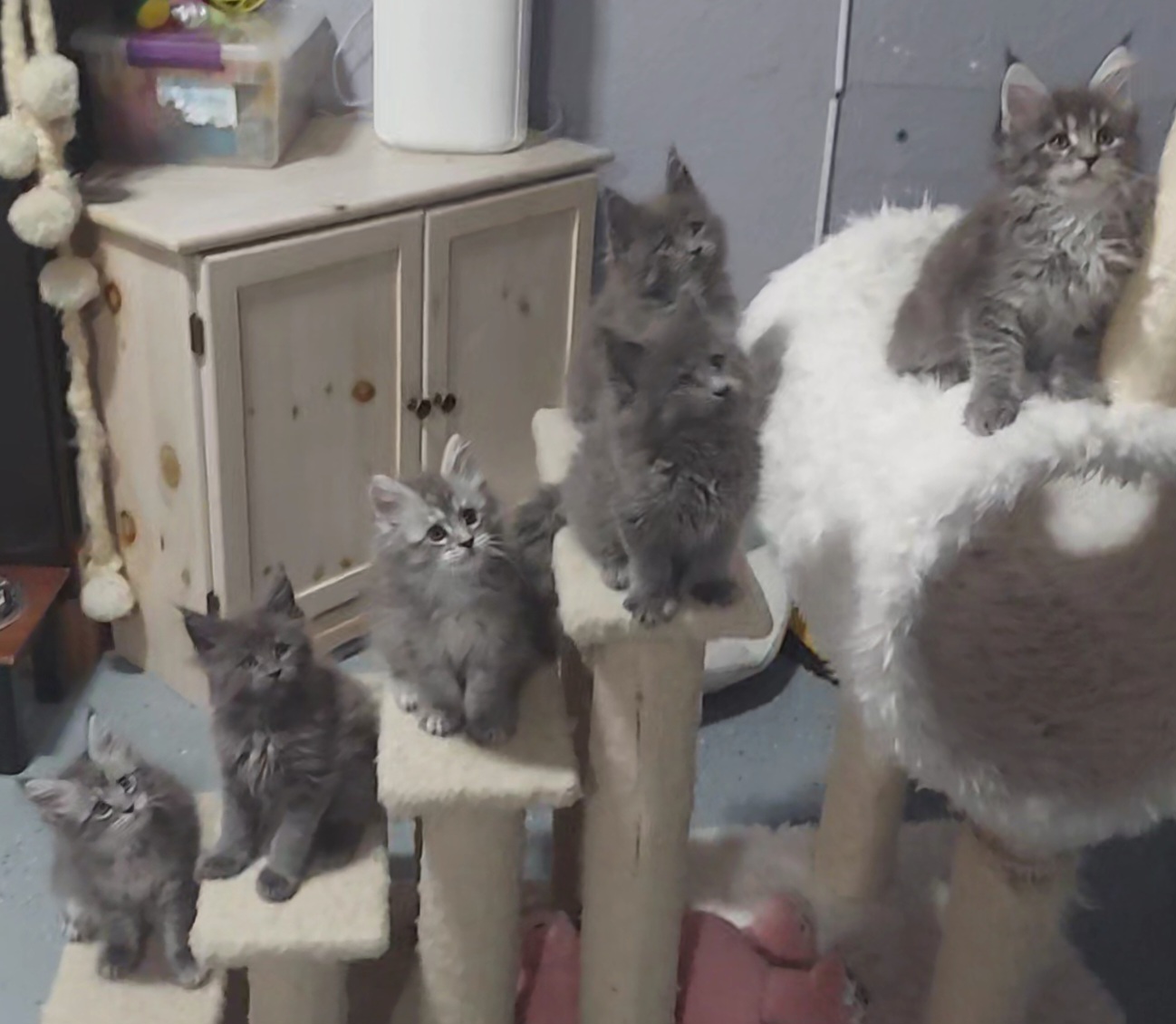
A Maine Coon may grow into a large, lion-maned cat with a calm presence, but that friendly “gentle giant” reputation does not happen by accident. Like all cats, Maine Coons learn what feels safe, normal, and enjoyable through repeated experiences. The earlier and more consistently those experiences happen, the easier it is for them to become relaxed, adaptable companions.
Socialization is the process of helping a cat feel comfortable with people, places, sounds, routines, handling, and other animals. For Maine Coons, it matters even more because they are often deeply involved in family life. Many enjoy following people from room to room, joining daily activities, and interacting with visitors. A poorly socialized Maine Coon may still be loving with one favorite person, but nervous around guests, reactive with other pets, or stressed by simple changes.
The good news is that socialization does not require force or a complicated training plan. It works best through gentle, positive, repeated exposure. Small steps build trust. Trust shapes behavior. Over time, that trust can lead to a calmer, more confident, and friendlier cat.

Why socialization shapes a Maine Coon’s temperament
Maine Coons are known for being sociable, intelligent, and curious. Many are playful well into adulthood and enjoy being part of household routines. These traits make them wonderful companions, but they also mean they notice a lot. New voices, moving furniture, visiting dogs, car rides, grooming tools, and loud appliances can all become either normal parts of life or sources of fear.
Socialization helps decide which direction that goes.
A well-socialized Maine Coon is more likely to:
approach new people with curiosity instead of panic
recover faster after a startling noise
accept brushing, nail trims, and vet exams with less stress
share space with respectful pets
adjust more easily to moves, travel, or schedule changes
communicate discomfort before escalating to swatting or hiding
This does not mean every Maine Coon will become outgoing with everyone. Cats have different personalities. Some are bold, some are reserved, and some need time to observe before joining in. Healthy socialization does not erase a cat’s nature. It gives that nature a stronger foundation.
The goal is not to create a cat who tolerates anything. The goal is to raise a cat who feels secure enough to make good choices.
Early socialization gives kittens a strong start
The kitten stage is a powerful window for learning. Young kittens are forming opinions about the world quickly, which is why responsible breeders and foster caregivers usually handle kittens gently and expose them to normal household activity before they go to new homes.
Once a Maine Coon kitten comes home, the work continues. The first weeks should be calm, steady, and positive. A kitten who has just left familiar littermates, scents, and routines needs time to feel safe.
Start with one comfortable base room that includes food, water, a litter box, scratching surfaces, toys, and resting spots. Let the kitten explore that space before opening the whole home. Sit on the floor, speak softly, and allow the kitten to approach. This builds confidence without pressure.
Short, pleasant interactions work better than long sessions. A few minutes of petting, play, or gentle handling several times a day can teach a kitten that people are predictable and kind.
Focus on these early experiences:
Touch
Gently handle paws, ears, tail, and body for a second or two, then reward with praise, food, or play.
Household sounds
Let the kitten hear normal noises at a low or moderate level, such as the dishwasher, TV, doorbell, or vacuum from another room.
Different people
Introduce calm visitors one at a time after the kitten has settled in.
Everyday objects
Let the kitten investigate carriers, grooming brushes, cardboard boxes, blankets, and toys at their own pace.
Short separations
Help the kitten learn that alone time is safe by offering cozy resting places and food puzzles.
Early socialization should feel like a collection of easy wins. If the kitten hides, freezes, hisses, or refuses food, the step was too big. Slow down and make the next interaction easier.
Adult Maine Coons can learn too
Early experiences help, but socialization does not stop after kittenhood. Adult Maine Coons can still become more confident, especially when given patience and choice.
An adult cat may need extra time if they had limited exposure to people, moved homes, lived with stressful animals, or had frightening experiences. Progress may look small at first. A cat who stays in the room when a guest visits, even from under a chair, has made progress if they used to vanish completely.
For adults, the key is predictability. Keep sessions short. Use rewards the cat truly values. Let the cat control distance. Never pull a hiding cat out to “show them nothing bad will happen.” That usually teaches the opposite.
A shy adult Maine Coon may start by watching new people from across the room. Over time, the guest can toss treats nearby without staring or reaching. Later, the cat may choose to approach. That choice matters. Confidence grows fastest when the cat feels they have an escape route.

How to introduce Maine Coons to new people
Visitors can be exciting or overwhelming. Maine Coons often enjoy attention, but even friendly cats may feel unsure when someone new enters their territory. The best introductions are calm, slow, and low-pressure.
Ask guests to ignore the cat at first. This may sound strange, but direct eye contact, loud greetings, and reaching hands can feel threatening. A cat is more likely to approach someone who acts relaxed and non-demanding.
A good first meeting can look like this:
Let the visitor sit down before the cat enters the room.
Ask the visitor to speak softly and avoid staring.
Place treats or a favorite toy near the visitor, not on their lap.
Let the cat choose whether to move closer.
End the interaction while the cat is still calm.
If the Maine Coon approaches, the visitor can offer a hand low and still for sniffing. Petting should start with safe areas, such as the cheeks or under the chin, if the cat invites contact. Many cats dislike immediate full-body petting, especially from strangers.
Children need special guidance. Maine Coons are large, but they are still cats with sensitive bodies and boundaries. Teach children to use quiet voices, avoid chasing, and pet gently with one hand. Supervise every interaction until both the child and cat show reliable behavior.
The same approach helps with service workers, overnight guests, and family gatherings. Set up a quiet retreat where the cat can leave the interaction. A confident cat is not one who must stay in the room. A confident cat knows they are safe either way.
How to expose Maine Coons to new environments
Maine Coons are often curious, and some adapt well to harness training, travel, or supervised outdoor time. Even if a cat never goes far, they still benefit from learning to handle environmental change.
Start inside the home. Open new rooms gradually. Rearrange a small item and let the cat inspect it. Bring out the carrier before vet visits so it becomes familiar. Place treats, bedding, or toys near and inside the carrier. The carrier should not appear only before stressful trips.
For car rides, start with tiny steps:
Let the cat rest in the carrier indoors.
Carry the closed carrier around the house.
Sit with the cat in the parked car for a few minutes.
Take a short drive around the block.
Reward calm behavior after each step.
Some Maine Coons enjoy harness walks, but harness training should happen indoors first. Let the cat sniff the harness, then wear it briefly without going outside. Pair it with treats or play. Once the cat moves comfortably in the harness, practice with a leash indoors before trying a quiet outdoor area.
Avoid flooding the cat with too much at once. A busy park, barking dogs, traffic noise, and unfamiliar smells can overwhelm even a confident Maine Coon. Choose quiet settings and short sessions.
Environmental socialization is not about making a cat “adventurous.” It is about reducing fear when life changes. Vet visits, moving day, home repairs, storms, and travel all become easier when a cat has practiced handling novelty in manageable doses.

How to socialize Maine Coons with other pets
Maine Coons often do well in multi-pet homes, but good relationships need careful introductions. Size does not make a cat comfortable. A Maine Coon may be larger than some small dogs, but they can still feel threatened by fast movement, barking, or rough play.
The safest introductions happen in stages.
Start with scent before sight
Before pets meet face to face, let them learn each other’s scent. Swap bedding, rub each pet with a soft cloth, or allow them to sniff under a closed door. Feed them on opposite sides of the door if both can eat calmly. Eating near a new scent can create a positive association.
Use barriers for first meetings
A baby gate, cracked door, or screen allows pets to see each other without full contact. Keep the session short. Reward calm behavior. If one pet stares intensely, lunges, growls, barks, or hides, increase distance and try again later.
Watch body language closely
For cats, relaxed signs include soft eyes, normal blinking, loose posture, and a tail held comfortably. Stress signs can include flattened ears, a tucked body, growling, hissing, tail puffing, or sudden stillness.
Dogs should remain calm and responsive to cues. A dog who fixates, pulls, whines, or rushes the cat needs more training and distance before moving forward.
Give the Maine Coon vertical space
Cat trees, shelves, and tall furniture let a Maine Coon observe from above. Vertical space can prevent conflict because it gives the cat control without needing to flee. In multi-pet homes, separate feeding stations and litter areas also reduce tension.
Never force pets to “work it out.” That can damage trust and create long-term conflict. Slow introductions may feel tedious, but they often prevent months of stress.
Consistency matters more than intensity
Socialization works best when it becomes part of normal life. A single big exposure will not teach as much as many small, pleasant moments. This is especially true for Maine Coons, who often thrive on routine and interaction.
Think of socialization as a habit. A little handling today. A short visitor interaction tomorrow. A few minutes near the carrier later in the week. Over time, those moments stack up.
Helpful habits include:
inviting calm friends over for brief visits
brushing for short periods before the cat gets annoyed
playing near different household sounds
leaving the carrier open in a familiar room
rewarding calm behavior around new sights and smells
practicing gentle paw handling before nail trims are needed
Consistency also means respecting limits every time. If one person allows rough play with hands, while another expects gentle behavior, the cat receives mixed signals. If guests chase the cat one day and ignore boundaries the next, trust becomes harder to build.
Choose clear household rules. Use toys instead of hands for play. Reward behavior you want repeated. Give the cat a quiet place where no one bothers them. These simple patterns help a Maine Coon understand what to expect.
Common mistakes that can slow socialization
Even loving owners can accidentally make socialization harder. Most mistakes come from moving too fast or expecting a cat to behave like a small dog.
Avoid these common patterns:
Forcing contact
Picking up a nervous cat and handing them to a visitor can make people seem unsafe.
Ignoring hiding
Hiding is communication. The cat needs more distance, not less.
Using punishment
Yelling, spraying water, or scolding increases stress and can make behavior worse.
Skipping rewards
Cats repeat behaviors that feel worthwhile. Use treats, play, praise, or space as rewards.
Doing too much at once
New people, new pets, loud sounds, and a new room on the same day can overwhelm a cat.
Missing pain or illness
A cat who suddenly becomes irritable, withdrawn, or reactive may need a veterinary check.
Patience is not the slow route. With cats, patience is usually the fastest route that lasts.

The long-term benefits of a well-socialized Maine Coon
A well-socialized Maine Coon is easier to live with, but the benefits go deeper than convenience. Socialization can support emotional resilience. A cat who has learned that new things are usually safe is less likely to panic when life changes.
That can mean less anxiety during common events such as:
vet appointments
grooming sessions
visitors and family gatherings
new furniture or home repairs
travel or boarding
the arrival of another pet
changes in household routine
Better socialization can also improve communication. A confident Maine Coon may walk away, chirp, slow blink, or seek height when unsure. A frightened cat may skip straight to hiding, scratching, or biting because they feel trapped.
Friendliness also becomes more reliable. Socialized cats often interact more comfortably with different people, not just one trusted person. They may greet guests, tolerate respectful handling, and settle faster after excitement.
For a breed as people-oriented as the Maine Coon, that confidence can lead to a richer life. More shared routines. Easier care. Safer introductions. Less stress for the cat and the household.
What success looks like over time
Progress may be quiet. A Maine Coon who once hid from the doorbell may stay on the couch. A kitten who disliked paw handling may allow a quick nail check. An adult cat who feared visitors may enter the room, sniff a shoe, then leave calmly.
These are real wins.
Socialization is not a one-time task to finish. It is an ongoing relationship built through respect, repetition, and positive experiences. Start early when possible, keep going through adulthood, and let the cat’s comfort guide the pace.
A well-socialized Maine Coon does not need to be fearless. They need to feel safe enough to be curious, calm enough to recover, and trusted enough to show their affectionate personality. That is where better behavior, confidence, and lifelong friendliness begin.


Comments